

Analyzing your competitors’ SEO can give you a competitive edge by revealing their strategies and opportunities for improvement. This tutorial guides you through the process using free and paid tools, focusing on key areas like keywords, content, and backlinks. Follow these steps to start analyzing effectively.
Step 1: Identify Your Competitors
Start by listing direct competitors in your niche. Use search engines to find sites ranking for your target keywords. Tools like SimilarWeb or Ahrefs’ Site Explorer can help analyze traffic sources and audience overlap.
Note their domain authority and main pages to focus your analysis.
Step 2: Analyze Keywords
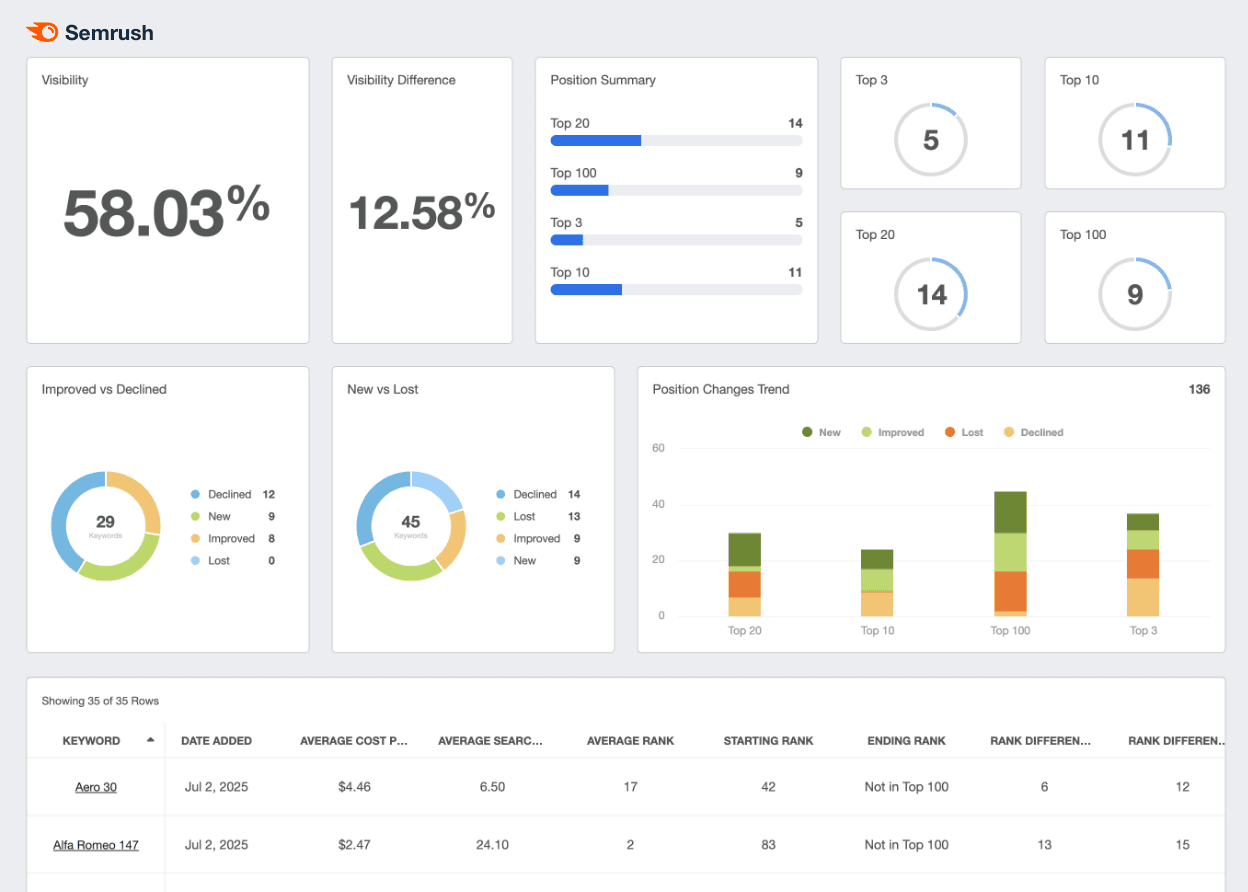
Dive into their keyword strategy. Enter their URL into SEMrush or Google Keyword Planner to see organic keywords they rank for. Analyze search volume, difficulty, and position.
Look for gaps—keywords they rank for that you don’t—and prioritize those for your content plan.
Step 3: Examine Content Performance
Review their top-performing pages. Use tools like BuzzSumo to analyze shareable content and engagement. Check for content length, structure, and multimedia use.
Analyze how they optimize with headings, meta tags, and internal links to inspire your own improvements.

Step 4: Investigate Backlinks
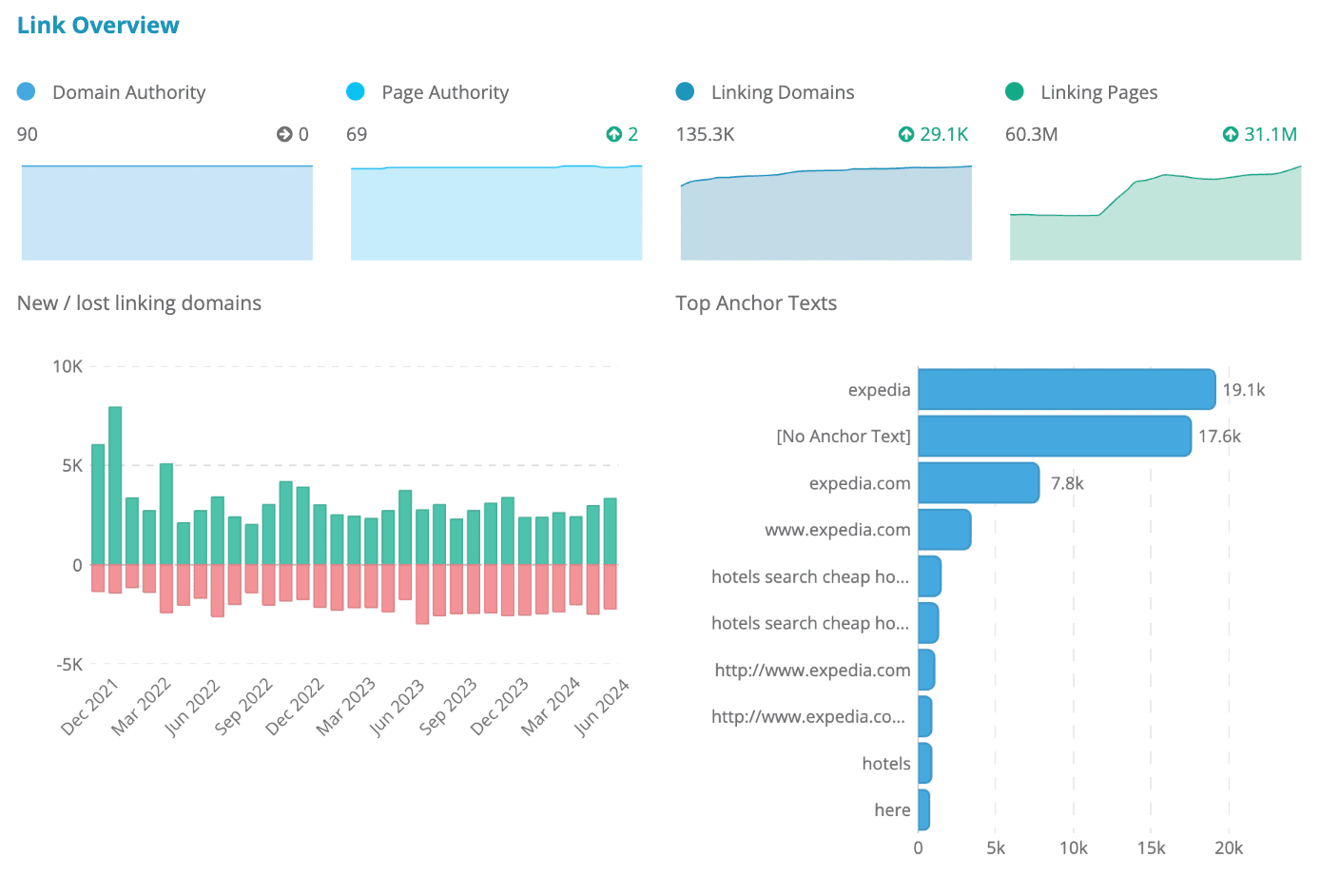
Backlinks are crucial for SEO. Use Moz’s Link Explorer or Ahrefs to analyze their backlink profile, including quantity, quality, and referring domains.
Identify patterns, like guest posts or directories, and seek similar opportunities to build your links.
Step 5: Monitor and Iterate
Set up alerts in tools like Google Alerts or SEMrush Position Tracking to monitor changes. Regularly analyze updates to their strategy and adjust yours accordingly.
This ongoing process ensures you stay ahead in search rankings.